About Kedma Hamelberg, PhD
Applied AI · Decision Intelligence · Human Impact
Kedma Hamelberg, PhD
I build evidence from signals others miss.
My route into AI was not a straight line, and that is an advantage in the work I do now. I started in product development, built and ran a direct-to-consumer business, moved through market insights and digital marketing, and then into computational research and applied AI.
Today I work across AI, decision intelligence, digital behavior, and human impact. I am especially interested in what unstructured signals such as text, image, audio, and video can reveal before changes become visible in surveys, CRM, sales, or other structured data.
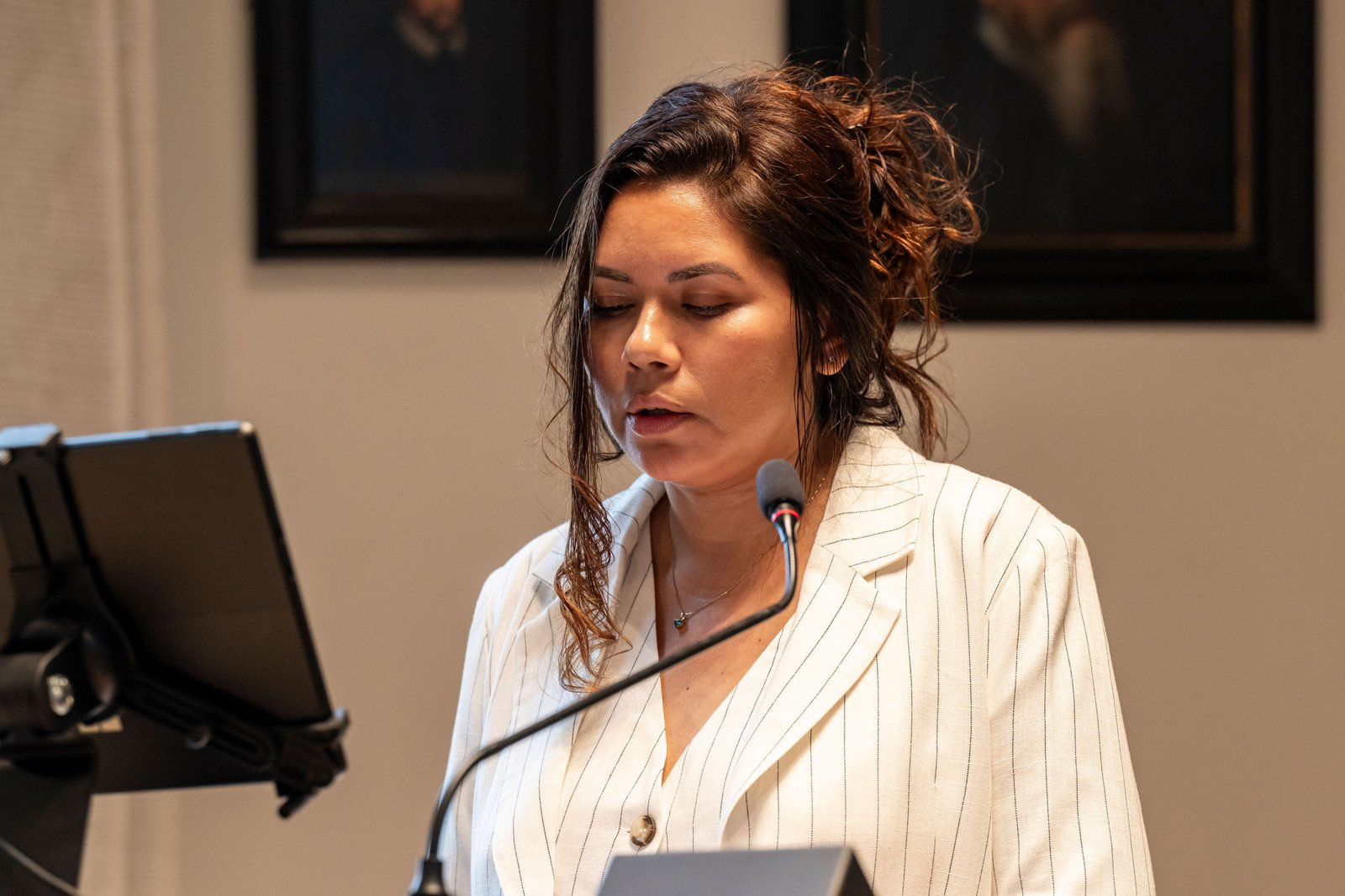
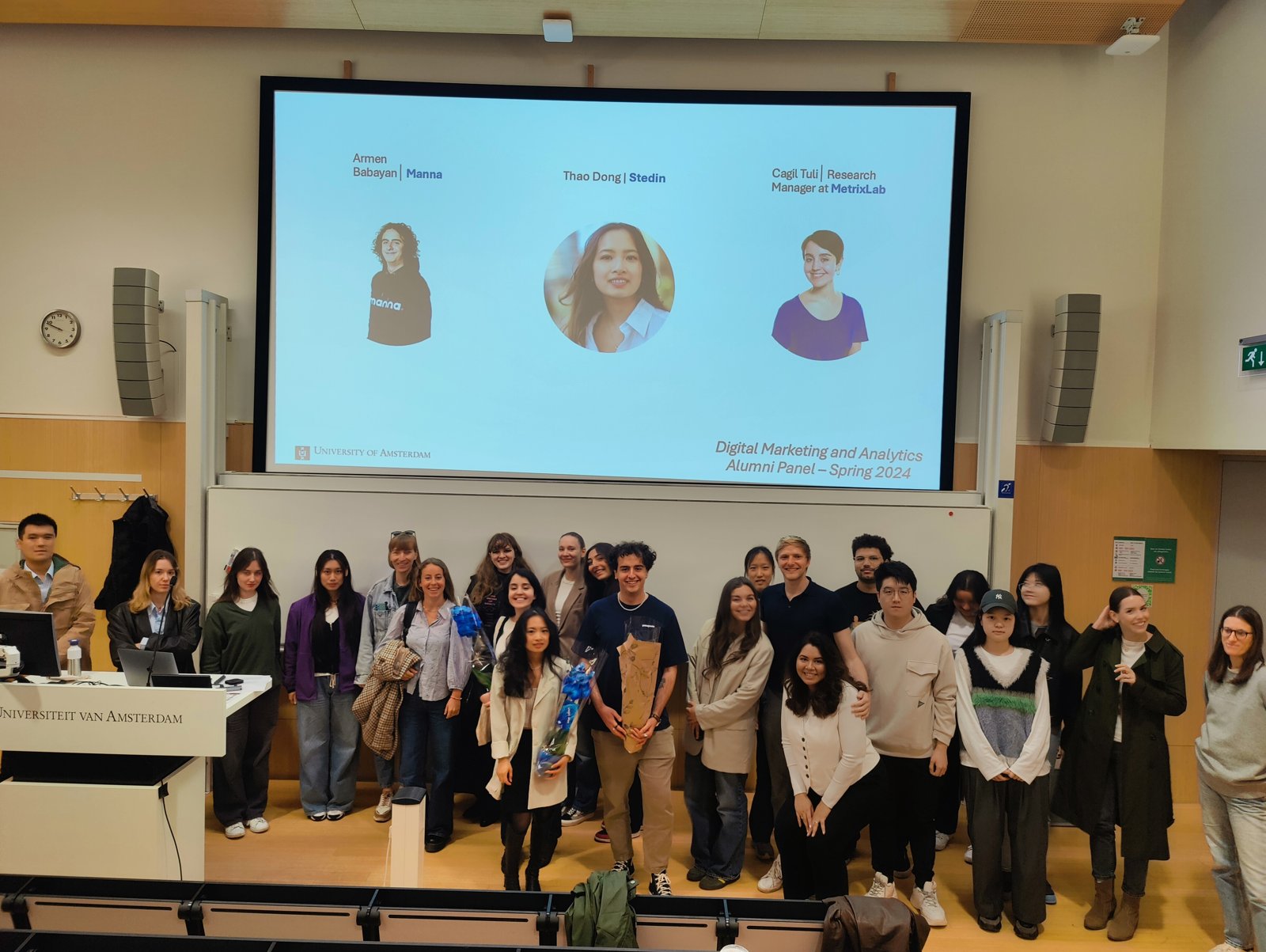
I created the AI Empowerment Observatory and The Brief to make research on AI and human empowerment easier to explore. I also created and developed the European Security Monitor, an independent research project on European security narratives and audience responses. See photographs of my research and teaching.
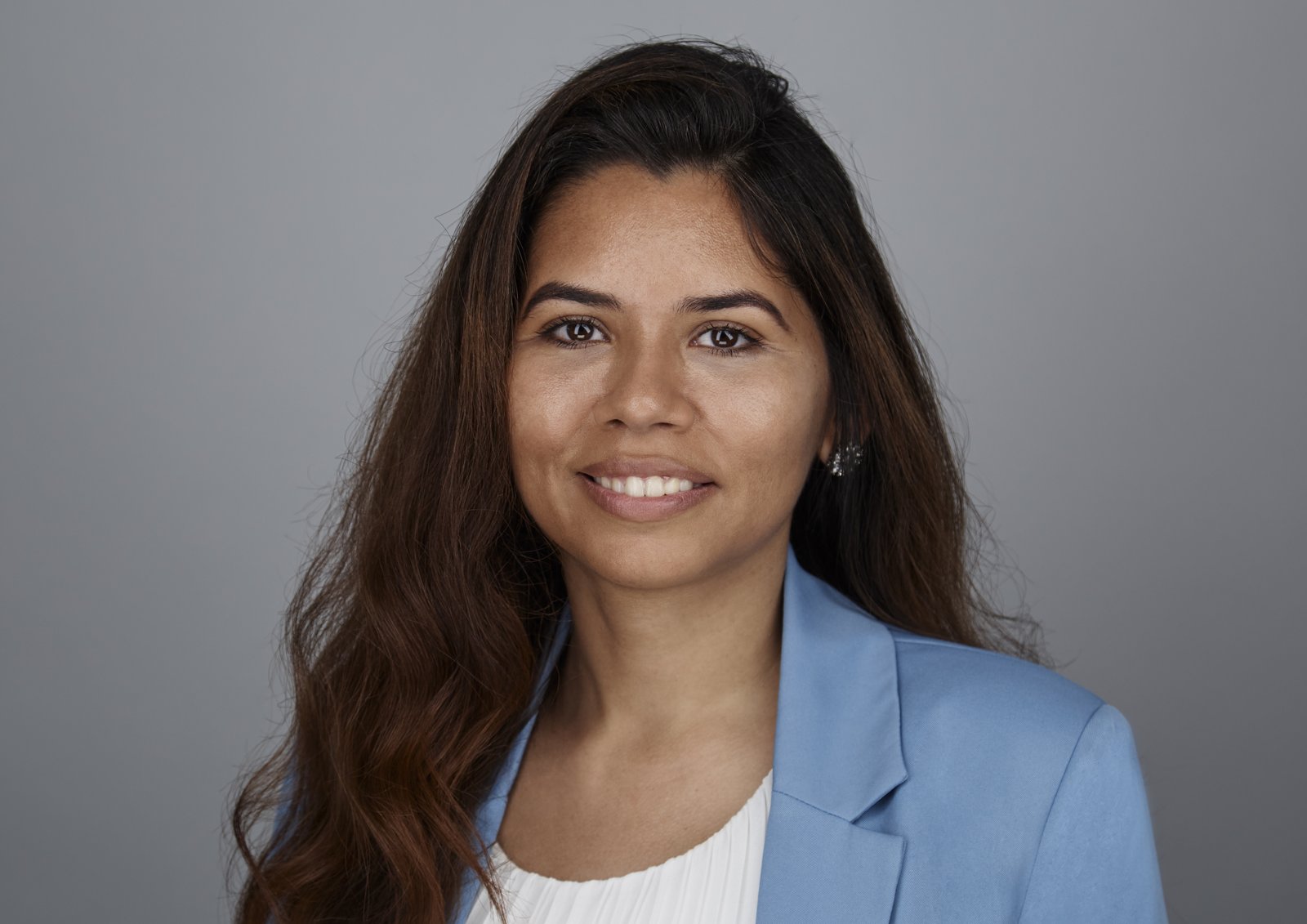
The path
A builder before I became a researcher-builder.
The common thread has stayed remarkably consistent: notice what is changing, understand why, and turn that understanding into something useful.
Learning how things get made
I began in FMCG product development, where technical feasibility, quality, operations, and market needs all had to meet in the same product.
Learning directly from customers
I built and operated a direct-to-consumer business across acquisition, pricing, product design, fulfillment, and customer relationships.
Turning markets into signals
Market insights and digital marketing led to a deeper question: how can noisy behavior become evidence for better decisions?
Scaling the evidence
My PhD and current work combine AI, multimodal digital data, human validation, experiments, and causal reasoning to answer that question.
Research in practice
Research. Teaching. Building.
Different settings, same principle: rigorous evidence should become something people can use.
What connects my work
Three principles I keep coming back to.
Unstructured data can be an early signal
People speak, search, post, watch, react, and create before those changes appear in a dashboard. I use multimodal digital behavior to make those shifts visible earlier.
AI output is not ground truth
Speed matters, but so do validation and accountability. My workflows use theory, human gold standards, model comparison, and audit layers rather than treating automated classification as truth.
Complexity should become usable
A method matters when people can understand what it changes for a decision. Research, public tools, executive briefings, and teaching are different ways of making rigorous evidence usable.
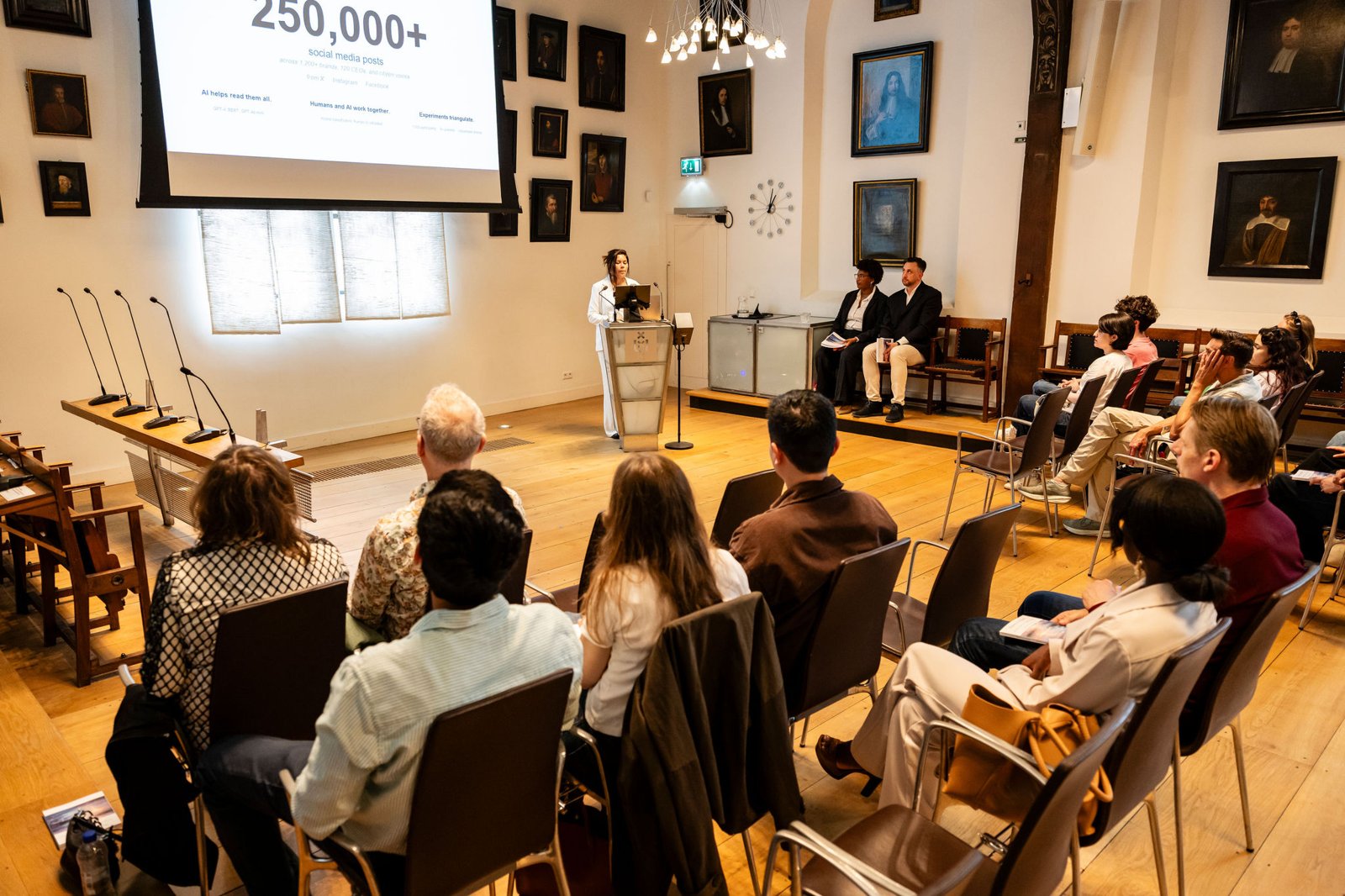
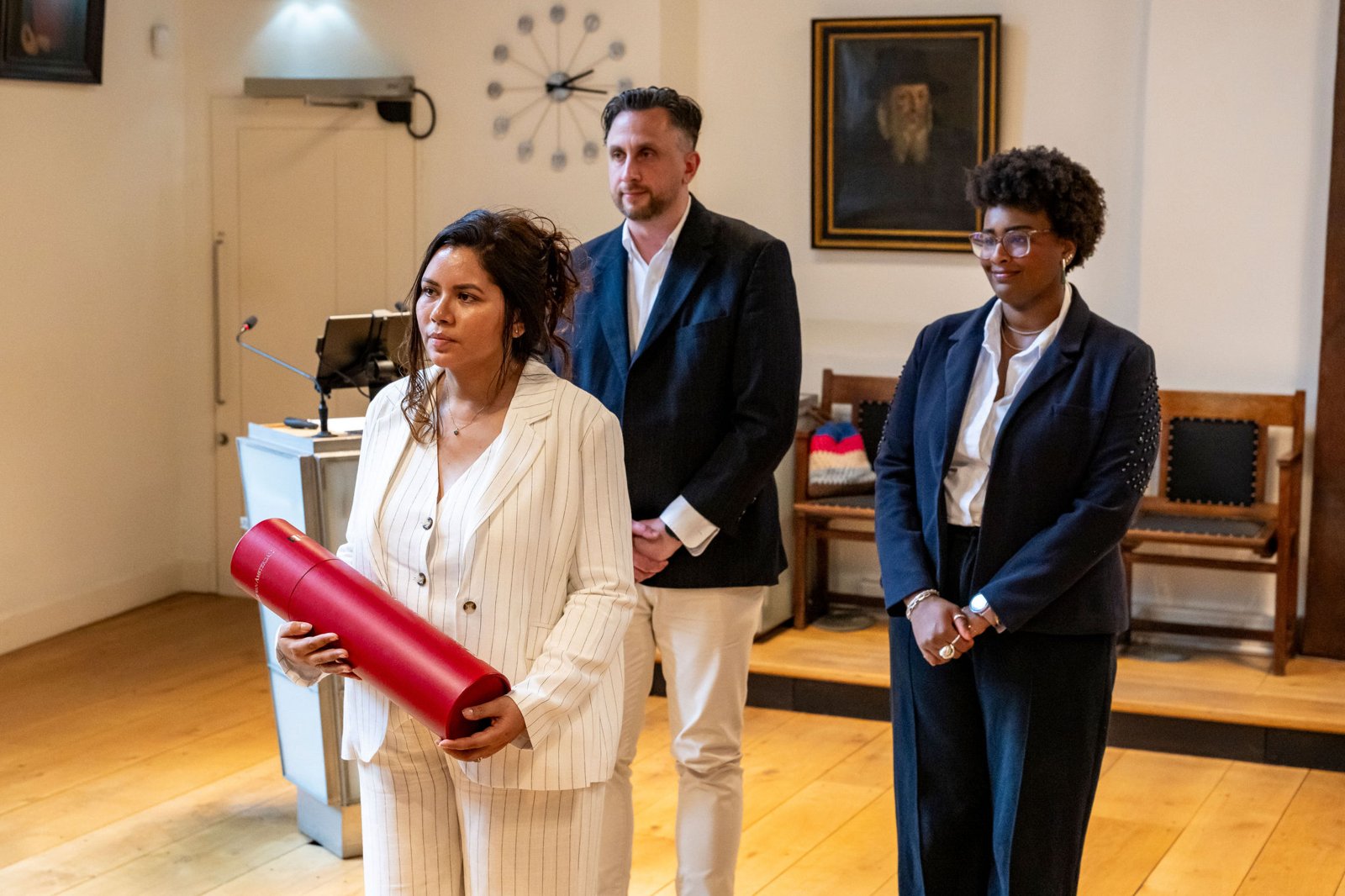
University of Amsterdam · Amsterdam Business School · 2026
PhD in Digital Marketing & Applied AI.
I defended Voices in Action: AI-Powered Insights from Corporate Messaging During Societal Crises at the Agnietenkapel in Amsterdam. The dissertation combined computational social science, human-validated AI classification, and controlled experiments.
That combination of computational scale, human validation, and experimental triangulation became a methodological signature I now carry into broader human-AI systems research and applied work.
Explore the PhD research →What I am building now
Research, public infrastructure, and learning experiences that reinforce each other.
Human-AI systems & digital behavior
I study how AI changes capability, communication, relationships, decision authority, and public narratives using large-scale digital evidence.
Explore the research →AI Empowerment Observatory
A live, source-backed platform that separates media volume from unique AI developments and tracks shifts in human capability and control.
Explore AIEO ↗Making AI useful without making it simplistic
I design tailored talks, executive briefings, and hands-on workshops around the questions, risks, and decisions that matter to the audience.
See talks & training →Work together
If the problem sits between AI, behavior, evidence, and decisions, I am interested.
Research collaborations, applied AI projects, executive learning, and public-interest work are all part of the same agenda.
Projects I created and developed
Explore the story behind the AI Empowerment Observatory, The Brief and the European Security Monitor, including their purpose, interfaces and my role.